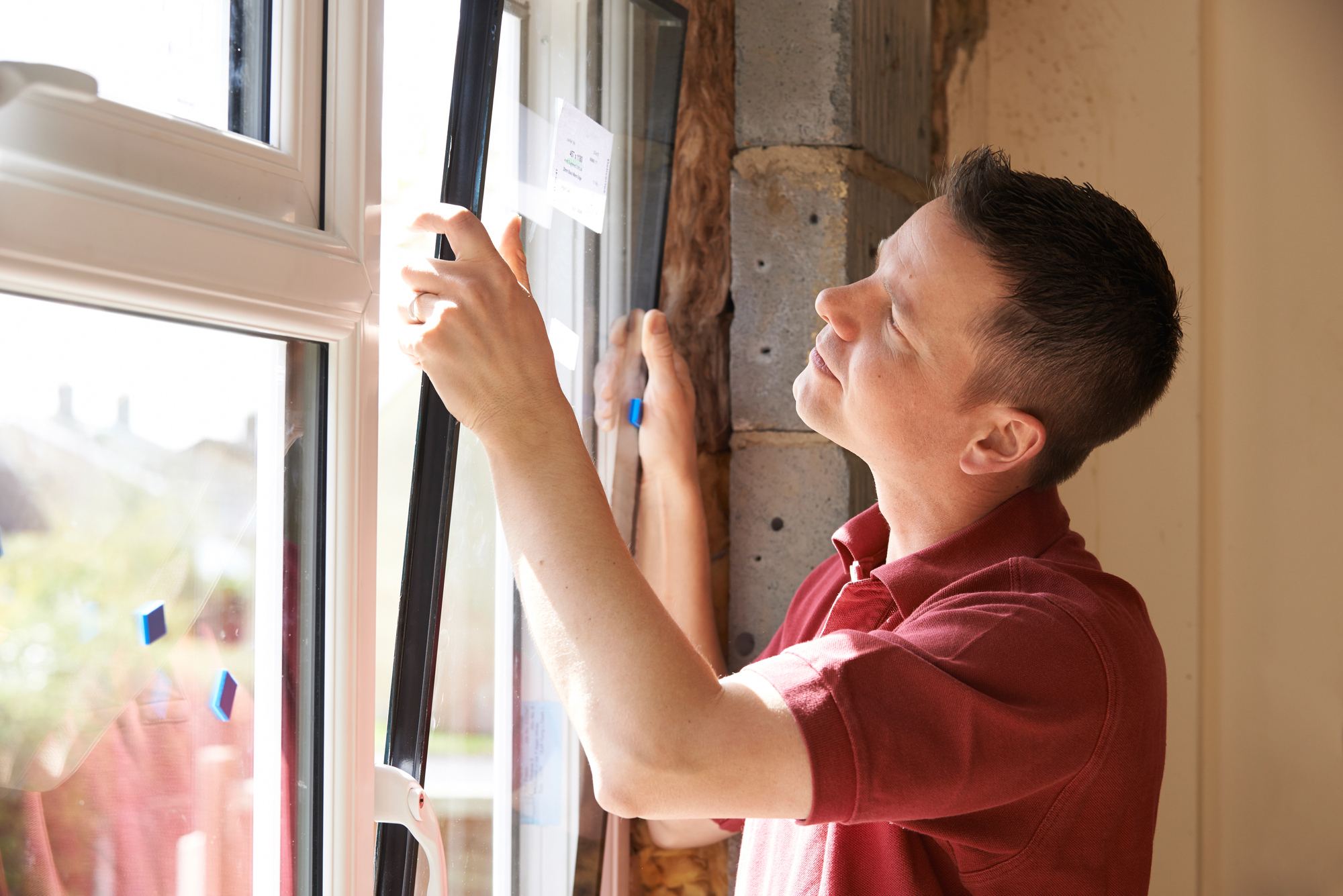
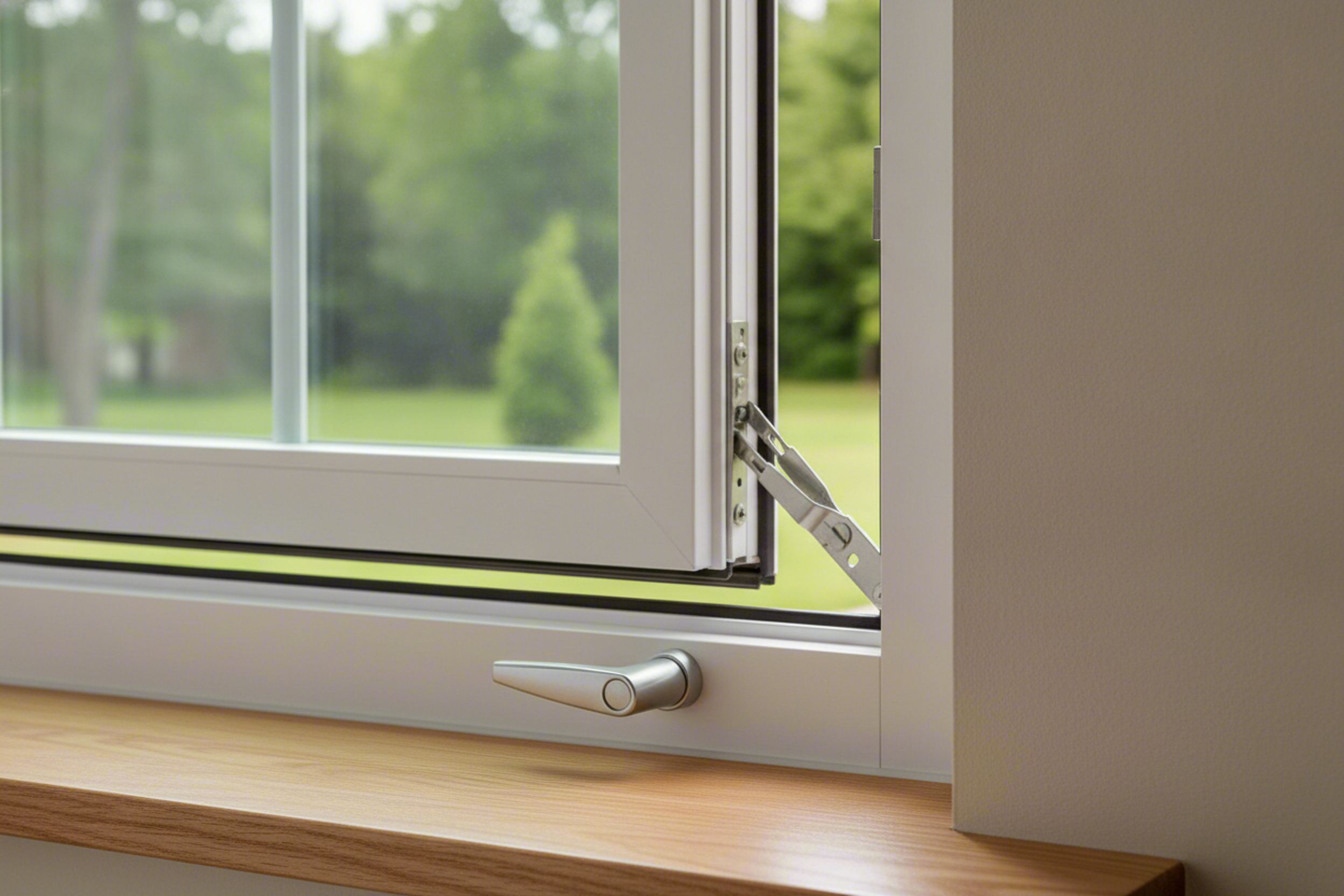
Vinyl replacement windows are the most common way Lawrence homeowners fix windows that are drafty, fogged or hard to open. We measure each opening, help you choose the style and glass, and install new vinyl windows that seal tight and need almost no upkeep, whether it's two bedroom windows or every window in the house.
Drafts you can feel around the sash on a windy day
Sashes that won't stay up, won't lock, or rattle in the wind
Soft, cracked or rotted wood at the sill or frame
Frost or water building up on the inside of the glass every winter
Old wood windows painted shut
One of these on one window is a reason to look. Several across the house is usually a reason to replace.
What goes wrong with older windows
The seal around double-pane glass takes years of summer heat and winter cold, and eventually it lets go. Moist air gets in, the glass fogs, and the window loses much of its insulating value. New glass alone can't fix that for long, which is why we put in a complete new window instead.
Wood frames have their own problem: water sits on the sill, soaks in, and freezes and thaws through the winter until the wood goes soft. The springs and balances that hold a sash up wear out, and weatherstripping flattens until air moves straight past it.
Window styles, and two ways to install them
First comes the style. Double-hungs tilt in for cleaning. Sliders suit wide, short openings. Casements crank outward and seal the tightest. Picture windows give you the most glass. Most houses end up with a mix.
Then there are two ways to put the new window in:
Insert (pocket) replacement. The old sashes and tracks come out and the new window fits inside the existing frame. The interior trim stays, and the outside trim gets wrapped in metal. It's quicker, less disruptive and costs less, and it's how most of our windows go in whenever the old frame is solid, dry and square.
Full-frame replacement. Everything comes out down to the rough opening. That lets us see and fix the framing, insulate the gap properly and sometimes gain a bit of glass. It's what a rotted or badly out-of-square frame needs, or an opening that's changing size, and older houses call for it more often. One house can have both kinds.
Choosing the frame color and the glass
White and almond vinyl cost the least. Darker exterior colors are available on many windows for an added cost. Inside, most vinyl is white, with wood-look finishes on some lines.
For glass, double-pane is standard. A low-E coating reflects heat, keeping summer sun out and winter heat in. Argon gas between the panes adds a little more insulation. Triple-pane costs more and makes the most sense on the coldest or noisiest sides of the house. Every window carries a label with its U-factor: the lower the number, the better it holds heat.
Where vinyl fits, and where it doesn't
Vinyl fits most houses and most budgets. It's a weaker fit if you want very slim frames, a color you plan to change later, or an exact match to original wood windows. If your house is on the Lawrence, state or national historic register, the city may need to review window changes, and that can shape which materials make sense. We check that before you choose.
What a vinyl window job is priced on
Size and style of each window (casements and specialty shapes cost more than a standard double-hung)
The glass package and frame color
Insert versus full-frame installation
Exterior trim, such as wrapping old wood trim in aluminum
Rotted framing that has to be repaired once the old window is out
For most houses, yes. They cost less than wood or fiberglass, never need painting, and a well-installed double-pane window with low-E glass is a real step up from one that fogs or leaks air. How it’s installed matters as much as which window you buy.
What is the downside of vinyl windows?
Fewer color choices, frames that are a little wider than some other materials, and they can’t be repainted reliably. Darker exterior colors cost more. Very cheap vinyl can warp or fade over the years, which is one reason the brand and series matter.
Which is better, vinyl or fiberglass replacement windows?
Fiberglass is stiffer, allows slimmer frames and can be painted, but it costs more. Vinyl costs less and insulates well. For most homes vinyl is the better value; fiberglass earns its price when you want narrow frames or a dark color.
How long do vinyl windows last?
A good vinyl window that’s installed well should last for decades. What usually gives out first is the seal between the panes or the hardware, not the frame. Most manufacturers back their windows with a warranty, so ask what yours covers and for how long.